
Call us now :08045479341
 Send Inquiry
Leakage Testing Machine for Motorcycle Fuel Tank (Supplied for Hero Moto Corp Fuel Tanks)
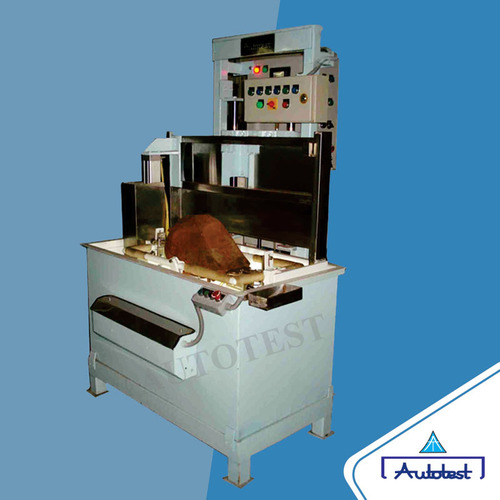
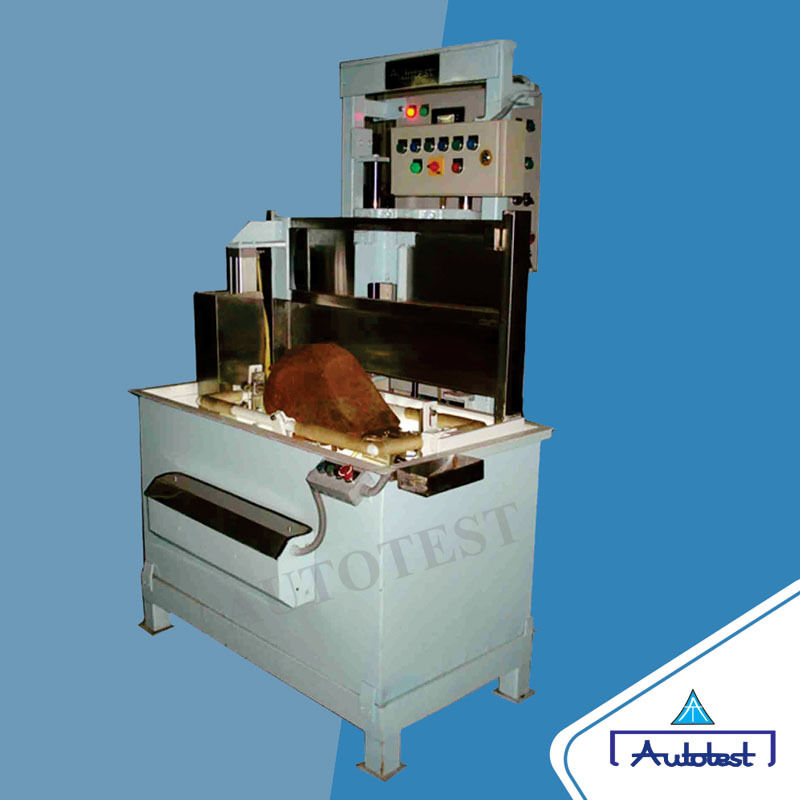

Leakage Testing Machine for Motorcycle Fuel Tank (Supplied for Hero Moto Corp Fuel Tanks) Specification
- Operating Voltage
- 230V AC
- Accuracy
- 0.005 bar
- Measuring Range
- 0.01 - 0.5 bar
- Application
- Leakage Testing of Motorcycle Fuel Tanks
- Humidity
- 20% ~ 80% RH
- Mounting Type
- Floor Mounted
- Power Supply
- 230V AC, 50Hz
- Resolution
- 0.001 bar
- Interface Type
- RS232 and PLC
- Gas Pressure
- Adjustable up to 6 bar
- Number of Specimens
- Single tank per test cycle
- Port Size
- Standard 1/4 inch NPT
- Automation Grade
- Fully Automatic
- Frequency
- 50 Hz
- Features
- Automatic clamp, digital data display, programmable test parameters, safety interlocks
- Specimen Size
- Motorcycle fuel tanks (various sizes)
- Max Height
- 1000 mm
- Response Time
- <2 seconds
- Test Range
- 0.01 - 0.5 bar leak measurement
- Temperature
- Operation: 10C - 45C
- Equipment Type
- Leakage Testing Machine
- Display Type
- Digital LCD Display
- Usage
- Automated leakage testing
- Capacity
- 1 piece per test
- Machine Weight
- Approx. 350 kg
- Test Speed
- 45 seconds per fuel tank
- Test Width
- Suitable for tanks up to 500 mm width
- Test Stroke
- Max 350 mm
- Control Mode
- PLC Based Automatic Control
- Brand Compatibility
- Hero Moto Corp and similar OEMs
- Calibration
- Automatic and manual calibration modes
- Noise Level
- <70 dB
- Finish
- Powder coated for industrial durability
- Cycle Time
- <60 seconds
- Test Medium
- Dry air/Nitrogen
- Data Logging
- Integrated with PC/PLC storage
- Safety Features
- Emergency stop, overpressure prevention
- Operator Requirement
- Single operator
- Detection Method
- Pressure decay/flow measurement
- Tank Fixture Type
- Adjustable multi-model quick change fixture
Leakage Testing Machine for Motorcycle Fuel Tank (Supplied for Hero Moto Corp Fuel Tanks) Trade Information
- Minimum Order Quantity
- 01 Box
- Payment Terms
- Cash in Advance (CID), Cheque, Cash Advance (CA)
- Supply Ability
- Box
- Sample Available
- Yes
- Packaging Details
- With Boxes
- Main Domestic Market
- All India
- Certifications
- Yes
About Leakage Testing Machine for Motorcycle Fuel Tank (Supplied for Hero Moto Corp Fuel Tanks)
Leakage Testing Machine for Motorcycle Fuel Tank (Supplied for Hero Moto Corp Fuel Tanks)Leakage testing machine for motorcycle fuel tank is designed to check the leakage of Motorcycle Fuel Tank by immersing in water and observing the air bubbles for leakage.
- The component is placed on the respective fixture specially designed for clamping and sealing of all openings.
- The fixture can move up & down inside the water tank immersing the components under test.
- There shall be provision for testing component at required test pressure.
Precision and Versatility for Multiple Tank Models
Equipped with an adjustable multi-model quick change fixture, this leakage testing machine accommodates various sizes and types of motorcycle fuel tanks up to 500 mm in width and 350 mm stroke. Its flexible fixture system ensures rapid and secure clamping, reduced downtime, and adaptability to evolving product lines, making it ideal for OEMs seeking efficiency and versatility.
Advanced Safety and Data Management Features
Safety is paramount: the machine incorporates emergency stop functions, overpressure prevention, and operator interlocks. Real-time test data are digitally displayed and seamlessly integrated with PC/PLC systems via RS232 and PLC interfaces, facilitating thorough traceability, analysis, and compliance documentation.
Automated, Accurate, and Operator-Friendly Operation
With cycle times below 60 seconds per tank and an intuitive PLC-based interface, the system is designed for single-operator efficiency. Automatic and manual calibration options guarantee reliable test accuracy, while automatic clamping and programmable test parameters streamline the testing process for repeatable, consistent results.
FAQs of Leakage Testing Machine for Motorcycle Fuel Tank (Supplied for Hero Moto Corp Fuel Tanks):
Q: How does the leakage testing machine operate for motorcycle fuel tanks?
A: The machine uses pressure decay or flow measurement methods to detect leaks in motorcycle fuel tanks. By employing dry air or nitrogen as the test medium, it precisely measures any pressure loss during the test cycle, which takes approximately 45 seconds per tank. Test parameters are programmable via a PLC-based automatic control system for repeatable and accurate results.Q: What types of fuel tanks can be tested with this machine?
A: This leakage testing machine is compatible with Hero Moto Corp fuel tanks and similar OEM motorcycle fuel tanks. Its adjustable multi-model quick change fixture supports various tank sizes up to 500 mm width and 350 mm stroke, allowing rapid adaptation for different models.Q: When is calibration required, and how is it performed?
A: Calibration is essential to ensure test accuracy and can be carried out automatically or manually, depending on operational needs. The machine provides both calibration modes and should be calibrated as per user protocols, typically before a series of tests or after maintenance activities.Q: Where is the data from the leakage tests stored?
A: All test data are logged and integrated with PC or PLC storage systems via standard RS232 and PLC interfaces. This allows for efficient record-keeping, data tracking, and quality compliance reporting in production environments.Q: What is the process for changing between different tank models?
A: Switching between different motorcycle tank models is streamlined by the adjustable multi-model quick change fixture. This feature enables the operator to quickly secure various tank sizes without manual reconfiguration, minimizing setup time and maximizing throughput.Q: What are the primary benefits of using this leakage testing machine?
A: Key benefits include rapid, accurate leak detection (within 45 seconds), enhanced operator safety through interlocks and emergency stops, digital data logging for traceability, versatility in handling different tank models, and full automation, requiring only a single operator for efficient, high-volume testing.Q: How is operator safety ensured during testing?
A: Operator safety is upheld through integrated safety features such as emergency stops, overpressure prevention systems, and safety interlocks. The machine operates at a noise level below 70 dB and offers clear digital displays, providing a safe and user-friendly work environment.Tell us about your requirement

Price:
Quantity
Select Unit
- 50
- 100
- 200
- 250
- 500
- 1000+
Additional detail
Mobile number
Email

More Products in Testing Machines for Two-Wheeler Components Category
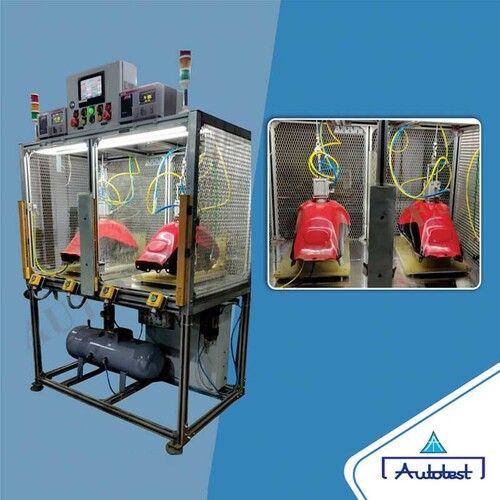
Motorcycle Fuel tank Leakage Testing Machine
Price 6000000 INR / Unit
Minimum Order Quantity : 1 , , Unit
Machine Weight : Approx. 150 kg
Control Mode : PLC/Manual
Power Supply : 220V AC, 50 Hz
Response Time : Less than 2 seconds
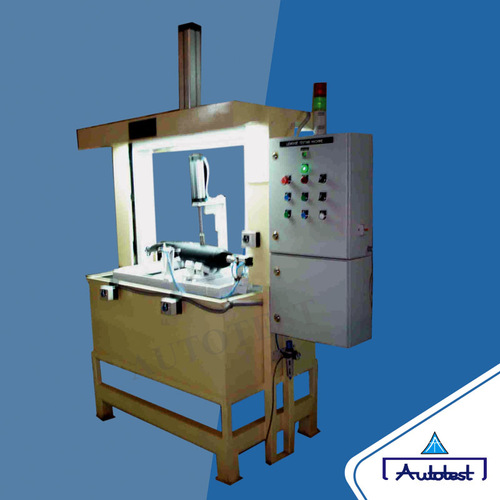
Scooter Muffler Leakage Testing Machine
Price 350000 INR / Unit
Minimum Order Quantity : 1 , , Unit
Machine Weight : Medium weight for easy portability
Control Mode : Automatic
Power Supply : Electric
Response Time : Quick detection response
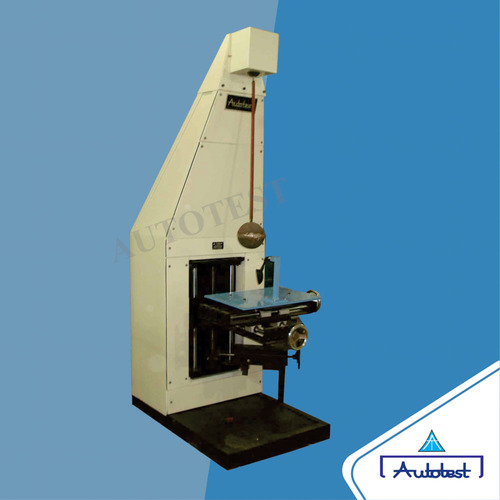
Mirror Impact Testing Machine
Machine Weight : Heavy Weight
Control Mode : Manual/Automatic
Power Supply : Electric
Response Time : Immediate
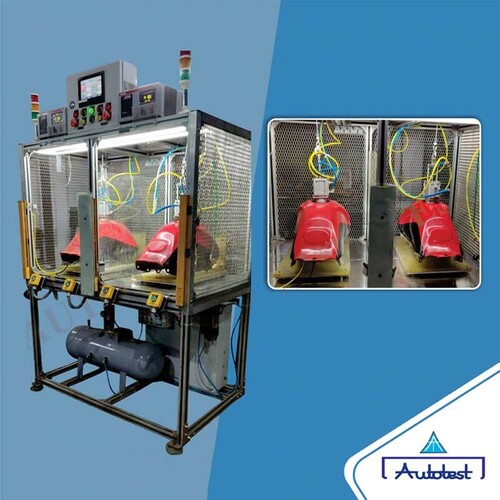
Leakage Testing Machine for BS-6 Motorcycle Fuel Tank
Price 625000 INR / Number
Minimum Order Quantity : 1 Number
Machine Weight : 400 kgs Kilograms (kg)

Presenting a wide range of
Special Purpose Machines, Special Purpose Test Rigs, Assy. Line & Process Equipments and Garage Equipments.
 Send Inquiry
Our Products
- Testing Machines for Two-Wheeler Components
- Testing Machines for Car Components
- Testing Machines for Tractor Components
- Shocker Absorber Testing Machine
- Environmental Chambers
- Clutch Testing Machines
- Tyre Testing Machines
- Enamel Removing Machine
- Environmental Test Chamber
- Endurance Testing Machine
- Other Equipment/Machines
- Cycle Testing Machine


B-5, DSIDC Industrial Complex, Rohtak Road, Nangloi, New Delhi - 110041, India

Mr Alok Saxena
(Director)
Mobile :08045479341
 Send Inquiry
 Send SMS
 Call Me Free
Developed and Managed by Infocom Network Private Limited.


